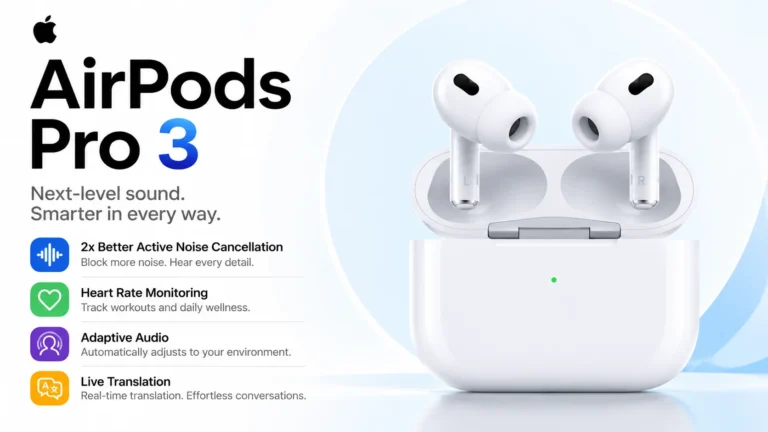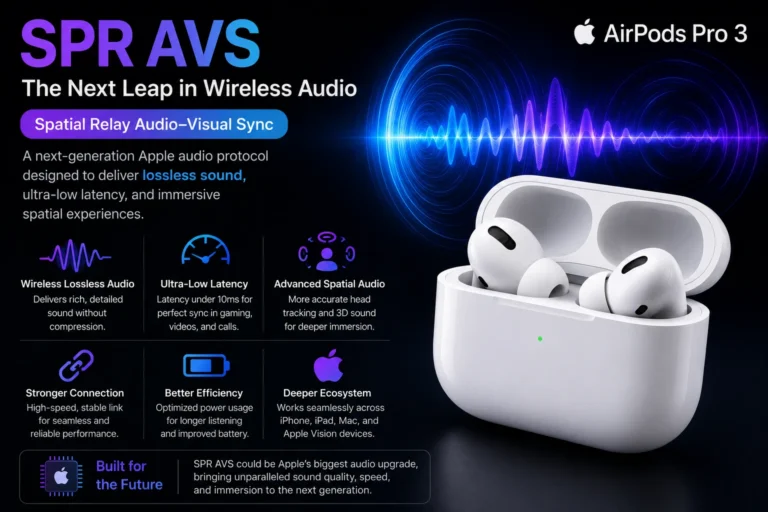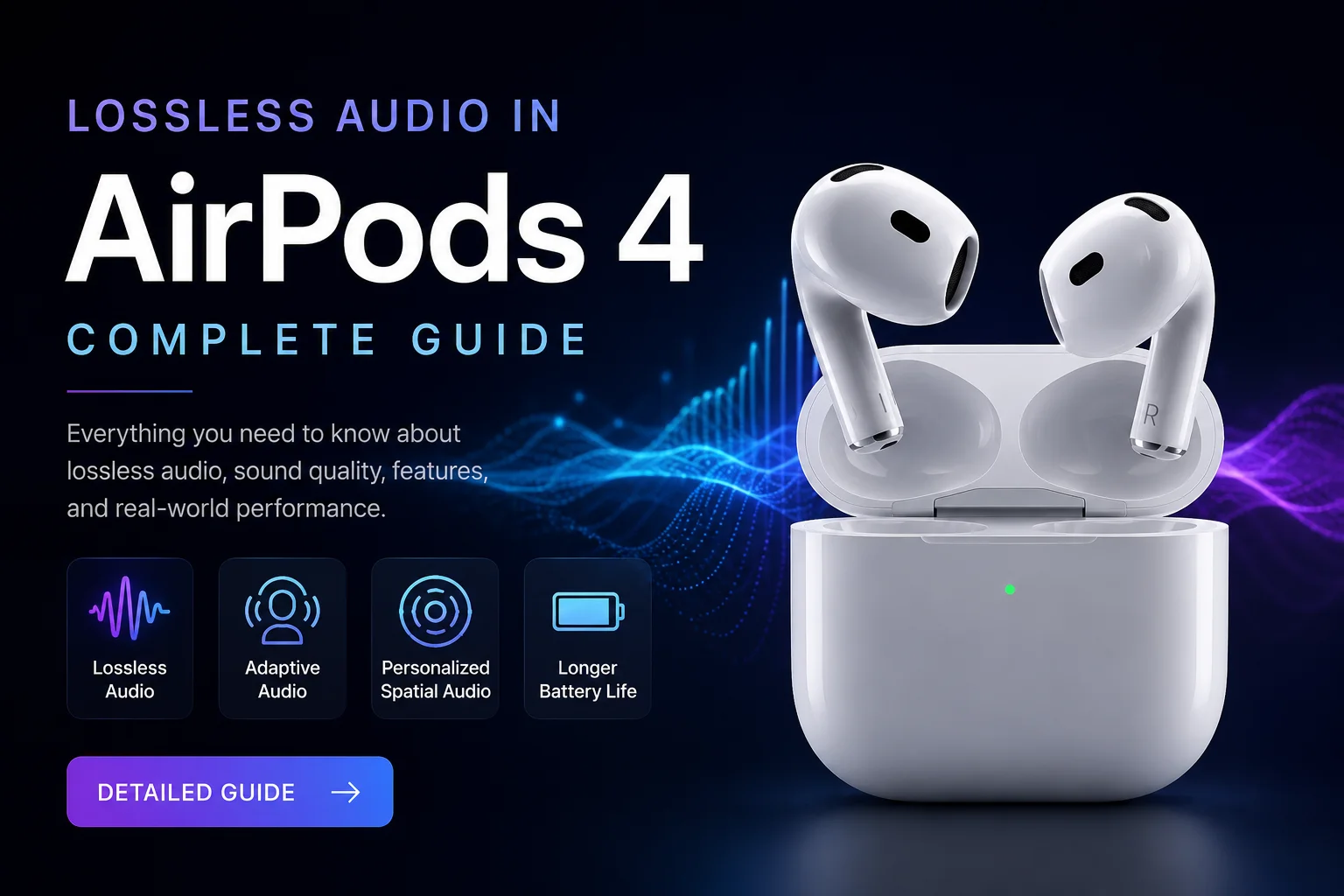
AirPods 4 do not provide full lossless audio during regular Bluetooth listening on iPhone. The earbuds still use compressed wireless audio for everyday music playback. However, Apple has introduced a newer wireless system that allows AirPods 4 to support lossless audio in specific situations, such as when paired with Apple Vision Pro.
Lossless audio in AirPods 4 has quickly become one of the biggest discussion topics among Apple users, music lovers, and tech enthusiasts. As Apple continues improving wireless audio technology, many people want to know whether AirPods 4 truly support lossless sound quality and how much difference it actually makes in real world listening.
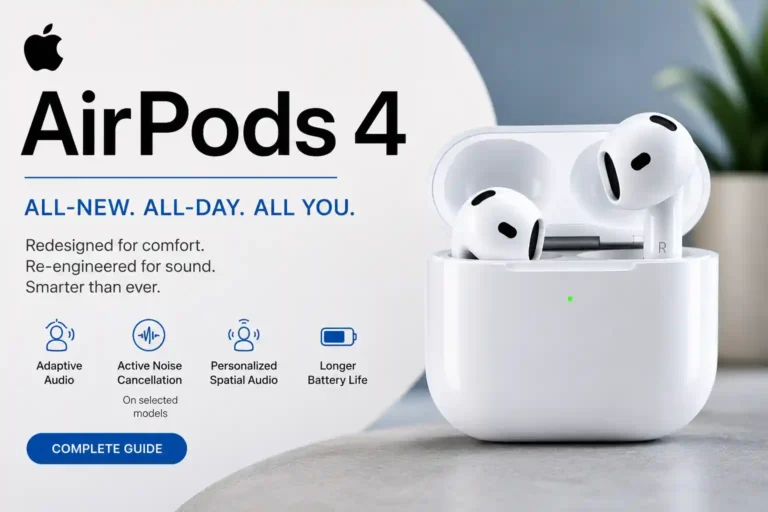
Apple markets AirPods 4 as smarter, more immersive, and more refined wireless earbuds with advanced features like Adaptive Audio, Personalized Spatial Audio, improved microphones, and better sound processing. At the same time, Apple Music now offers millions of songs in lossless quality, leading many users to ask an important question:
Can AirPods 4 deliver true lossless audio wirelessly ?
The answer is slightly more complex than a simple yes or no.
AirPods 4 can absolutely provide excellent sound quality and can stream music from lossless sources. However, wireless Bluetooth audio still has technical limitations that prevent completely uncompressed full resolution lossless playback in most situations.
Even so, AirPods 4 remain one of Apple’s best sounding standard wireless earbuds because of improved tuning, advanced processing, smarter environmental audio control, and seamless integration with the Apple ecosystem.
This complete guide explains everything about lossless audio in AirPods 4 including:
- what lossless audio actually means
- how Bluetooth affects sound quality
- how AirPods 4 process audio
- whether lossless music sounds better
- Adaptive Audio and Spatial Audio effects
- battery impact
- AirPods 4 vs AirPods 3 sound comparison
- whether casual listeners can hear the difference
- and whether AirPods 4 are worth buying for music lovers
What Is Lossless Audio ?
Lossless audio is a high quality audio format that preserves far more original sound information from a music recording compared to standard compressed audio formats.
When music is compressed heavily, some audio data gets removed to reduce file size and improve streaming efficiency. This process helps music stream faster and use less storage, but it can also reduce certain sound details.
Lossless audio keeps much more of the original recording intact.
This allows listeners to hear:
- cleaner vocals
- deeper instrument separation
- smoother sound transitions
- better dynamic range
- more natural audio reproduction
In simple terms, lossless audio aims to make music sound closer to the original studio recording.
Difference Between Lossy And Lossless Audio
Standard streaming formats often use compressed audio known as lossy compression.
Lossy audio removes some information that algorithms believe most people will not easily notice. This helps reduce:
- internet bandwidth usage
- storage size
- streaming interruptions
Lossless audio works differently.
Instead of permanently removing large portions of sound information, lossless formats preserve nearly all original audio details while still reducing file size more efficiently than completely raw audio.
This means:
- more accurate sound reproduction
- cleaner instruments
- better depth
- more detail in quieter sections
However, hearing these differences depends on:
- headphone quality
- listening environment
- listener sensitivity
- audio source quality
Apple Music And Lossless Audio
Apple introduced lossless audio support in Apple Music to improve streaming quality across its ecosystem.
Millions of songs are now available in:
- Lossless
- High Resolution Lossless
This gives users access to significantly higher quality music sources compared to standard compressed streaming.
Apple Music lossless tracks preserve more recording detail, especially in:
- vocals
- orchestral music
- acoustic instruments
- layered music tracks
Many users immediately became interested in whether AirPods could fully reproduce this higher quality audio.
Do AirPods 4 Support True Lossless Audio ?
This is where confusion often begins.
AirPods 4 can absolutely play music from lossless audio sources like Apple Music lossless tracks. However, the wireless Bluetooth transmission itself still compresses audio before sending it to the earbuds.
So technically:
- the music source may be lossless
- but the final wireless transmission is still compressed
This means AirPods 4 do not provide completely uncompressed native wireless lossless playback in the same way as professional wired audio equipment.
Even so, the overall sound quality remains extremely good because Apple uses advanced processing and efficient wireless audio technologies.
Why Bluetooth Cannot Fully Deliver True Lossless Audio ?
Bluetooth audio must balance several important factors:
- wireless stability
- low latency
- battery efficiency
- connection reliability
- portability
To achieve this, Bluetooth compresses audio before transmission.
Without compression:
- battery life would drop significantly
- connection stability could worsen
- wireless range would decrease
- audio delays could increase
Because of these limitations, Bluetooth audio codecs prioritize efficiency.
Even modern wireless audio systems still cannot fully match dedicated wired lossless playback systems used in professional audio setups.
Does Lossless Audio Still Matter On AirPods 4 ?
Yes, it still matters for many users.
Even though wireless compression exists, higher quality source material can still improve the overall listening experience.
Many listeners notice:
- smoother vocals
- cleaner instruments
- reduced harshness
- fuller sound
- more balanced audio
The difference may not always feel dramatic, but it can contribute to a more refined listening experience overall.
Some users notice the improvement immediately while others may only detect subtle differences.
Can Casual Listeners Hear The Difference ?
This depends on multiple factors.
Many casual listeners focus more on:
- comfort
- bass
- loudness
- convenience
Meanwhile, experienced listeners often pay attention to:
- vocal texture
- instrument positioning
- soundstage
- dynamic detail
- audio separation
The listening environment also matters greatly.
For example:
- quiet rooms make audio differences easier to notice
- noisy public areas reduce subtle audio detail
- high quality recordings reveal differences better
In real world everyday situations, many users may notice only moderate improvements from lossless sources.
AirPods 4 Sound Quality Improvements
Even without full wireless native lossless playback, AirPods 4 still deliver major sound improvements over earlier standard AirPods generations.
Apple refined:
- driver tuning
- acoustic architecture
- microphone systems
- computational audio processing
This helps create:
- deeper bass
- cleaner vocals
- wider soundstage
- better instrument clarity
- reduced distortion
Music feels more balanced and immersive overall.
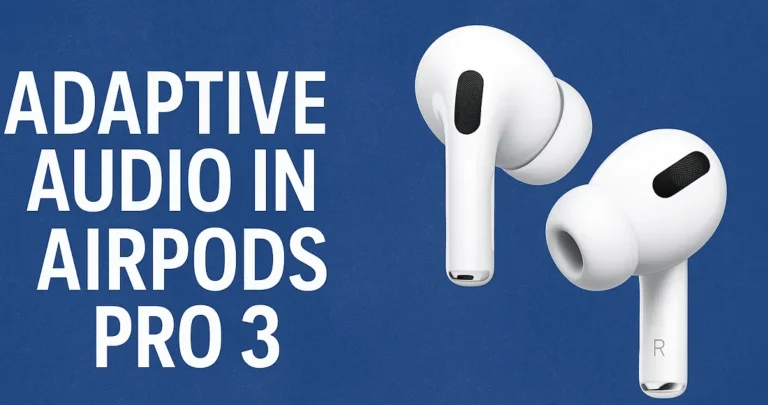
Adaptive Audio In AirPods 4
Adaptive Audio is one of the biggest intelligent audio features in AirPods 4.
Instead of forcing users to manually switch between Transparency mode and Noise Cancellation, AirPods 4 automatically balance both depending on surrounding conditions.
The system constantly analyzes environmental sound levels in real time.
For example:
- crowd noise may get reduced
- important voices may remain clearer
- traffic alerts may stay audible
- sudden loud sounds may be softened
This creates a smoother and more natural listening experience while moving through different environments.
How Adaptive Audio Improves Listening ?
Adaptive Audio does not directly increase audio resolution like lossless audio. Instead, it improves listening comfort and environmental sound control.
By reducing distractions and managing external noise intelligently, music can feel:
- clearer
- easier to focus on
- more immersive
Users may enjoy music more naturally without constantly adjusting settings manually.
Adaptive Audio becomes especially useful during:
- commuting
- traveling
- office work
- walking outdoors
- studying in public places
Personalized Spatial Audio
AirPods 4 also support Personalized Spatial Audio with dynamic head tracking.
This technology creates a surround sound style experience where sound feels positioned around the listener instead of directly inside the ears.
Movies and supported music tracks may sound:
- wider
- deeper
- more cinematic
- more immersive
Head tracking helps maintain realistic sound positioning while moving your head naturally.
This creates a more engaging entertainment experience for:
- movies
- gaming
- music
- video streaming
AirPods 4 And Apple Ecosystem Integration
One major advantage of AirPods 4 is seamless integration with Apple devices.
Features include:
- instant pairing
- automatic device switching
- iCloud syncing
- Find My support
- audio sharing
- Siri support
This ecosystem integration makes AirPods 4 highly convenient for:
- iPhone users
- iPad users
- MacBook users
- Apple Watch users
The overall experience feels smooth and effortless across devices.
AirPods 4 Battery Life
Battery life remains a strong area for AirPods 4.
Apple optimized power efficiency while adding more advanced processing features.
Battery performance depends on:
- listening volume
- ANC usage
- Adaptive Audio usage
- Spatial Audio usage
- call duration
Most users can comfortably use AirPods 4 throughout daily activities with help from the charging case.
Fast charging support also allows quick battery top ups during short charging sessions.
Does Adaptive Audio Affect Battery Life ?
Yes, Adaptive Audio can slightly affect battery life because the earbuds continuously process surrounding sounds in real time.
The microphones and audio processors remain active to:
- analyze environmental noise
- adjust transparency
- manage noise cancellation
However, most users notice only a small reduction in battery performance during normal use.
Battery drain may become more noticeable if combined with:
- Spatial Audio
- Conversation Awareness
- high volume levels
- long phone calls
AirPods 4 Call Quality
Apple improved microphone systems significantly in AirPods 4.
Voice isolation technology helps reduce surrounding noise while making voices sound clearer during calls.
This improves call performance in:
- busy streets
- crowded offices
- cafés
- windy environments
Many users notice cleaner and more natural voice quality compared to older AirPods generations.
AirPods 4 Vs AirPods 3 Sound Comparison
AirPods 4 improve several major sound related areas over AirPods 3.
Important improvements include:
- better bass response
- clearer vocals
- improved Spatial Audio
- smarter Adaptive Audio
- stronger microphone quality
- improved audio processing
Music generally feels more refined and balanced overall.
AirPods 4 also feel more future ready because of newer intelligent audio technologies.
AirPods 4 Vs AirPods Pro
AirPods Pro still remain Apple’s more premium wireless earbuds.
They provide:
- stronger ANC
- better passive isolation
- silicone ear tips
- tighter bass response
However, many users still prefer AirPods 4 because of the open ear design.
AirPods 4 are ideal for people who:
- dislike silicone tips
- want lightweight earbuds
- wear earbuds for long periods
- prefer more natural ear comfort
The open design can feel less intrusive during everyday use.
Are AirPods 4 Good For Audiophiles ?
AirPods 4 are not designed specifically for professional studio monitoring or ultra high end audiophile listening.
Audiophiles seeking absolute pure lossless playback may still prefer:
- wired studio headphones
- dedicated DAC systems
- professional audio monitors
However, AirPods 4 still offer an impressive balance between:
- sound quality
- portability
- comfort
- smart features
- wireless convenience
For everyday listening, many users find them more than satisfying.
Who Should Buy AirPods 4 ?
AirPods 4 are an excellent option for:
- iPhone users
- students
- travelers
- office workers
- casual listeners
- AirPods 2 users
- AirPods 3 users
They combine:
- strong sound quality
- smart audio features
- seamless Apple integration
- portability
- comfort
Users wanting a balance between premium features and simplicity may find AirPods 4 highly appealing.
Frequently Asked Questions
Does AirPods 4 support lossless audio ?
AirPods 4 can play music from lossless sources, but Bluetooth transmission still compresses audio during wireless playback.
Is lossless audio noticeable on AirPods 4 ?
Some listeners notice cleaner vocals, smoother instruments, and improved clarity while others may hear only subtle differences.
Does Adaptive Audio improve music quality ?
Adaptive Audio mainly improves environmental sound management and listening comfort rather than directly increasing audio resolution.
Is AirPods 4 better than AirPods 3 for music ?
Yes, AirPods 4 provide improved tuning, better clarity, stronger bass response, and more advanced sound processing.
Does lossless audio drain more battery ?
Streaming high quality audio along with advanced processing features may slightly increase battery usage.
Are AirPods 4 worth upgrading to ?
For many users upgrading from older AirPods generations, AirPods 4 provide meaningful improvements in sound, comfort, microphones, and smart features.
Lossless audio in AirPods 4 is best understood as a combination of higher quality music sources and advanced Apple audio processing rather than fully uncompressed wireless playback.
Although Bluetooth still limits complete native lossless transmission, AirPods 4 deliver excellent sound quality with:
- smarter audio processing
- Adaptive Audio
- Personalized Spatial Audio
- improved tuning
- better comfort
- stronger microphones
For most users, AirPods 4 provide a premium everyday listening experience that balances convenience, portability, and intelligent audio technology extremely well.