The battle between Apple’s iOS and Google’s Android has defined the smartphone industry for more than a decade. Every year, both platforms introduce new features, design changes, artificial intelligence capabilities, security improvements, and productivity enhancements designed to improve the user experience.
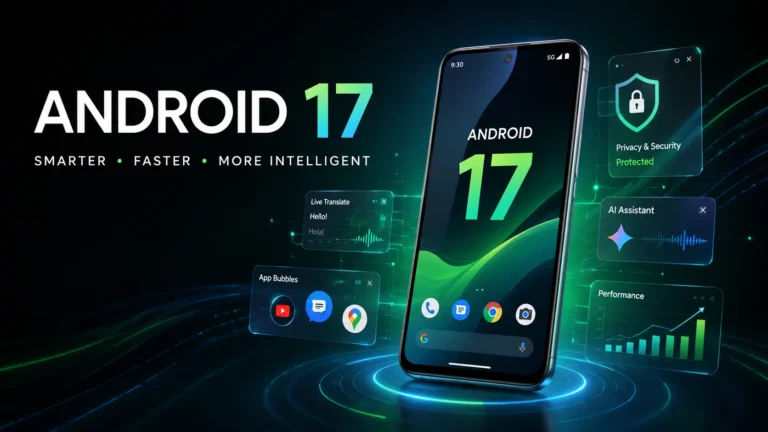
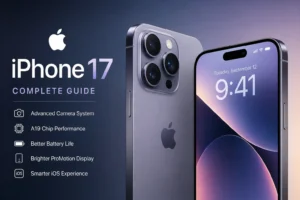
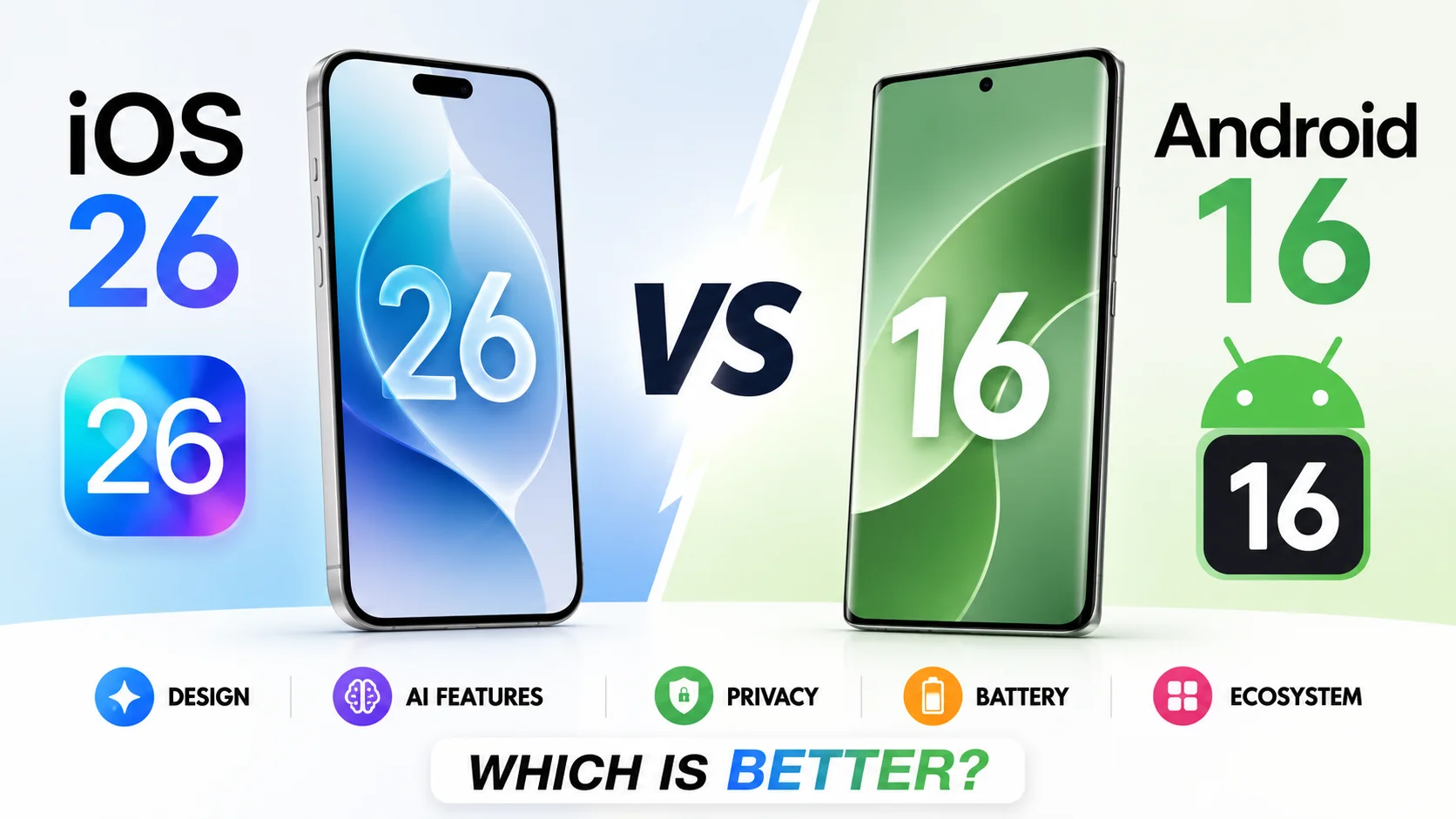
In 2026, the competition is more intense than ever. Apple’s iOS 26 introduces the new Liquid Glass design language, Live Translation, Call Screening, Hold Assist, enhanced Apple Intelligence features, better AirPods integration, and significant user interface improvements. Android 16 responds with Material 3 Expressive, deeper Gemini AI integration, superior customization options, advanced multitasking, and a more open ecosystem.
The question many buyers are asking is simple: Which operating system is better in 2026?
The answer depends on what matters most to you.
Design and User Interface
iOS 26: Liquid Glass
The biggest visual change in iOS 26 is Apple’s new Liquid Glass design.
The interface introduces:
- Transparent elements
- Dynamic reflections
- Floating menus
- New animations
- Enhanced visual depth
Apple’s goal is to make the entire operating system feel more fluid and modern. The redesign affects notifications, widgets, menus, controls, and system applications.
Advantages
- Premium visual appearance
- Consistent design
- Smooth animations
- Better ecosystem consistency
Disadvantages
- Less customization
- Some users find transparency distracting
Android 16: Material 3 Expressive
Google introduced Material 3 Expressive with Android 16.
This redesign focuses heavily on personalization.
Users can customize:
- Colors
- Fonts
- Widgets
- Layouts
- Interface styles
Android 16 allows devices to feel more personalized compared to Apple’s approach.
Advantages
- Extensive customization
- Dynamic themes
- Personalized interface
- Greater flexibility
Disadvantages
- Experience varies by manufacturer
Winner: Android 16
If customization matters, Android remains the leader.
Artificial Intelligence
AI is now one of the biggest differences between smartphones.
Apple Intelligence in iOS 26
Apple Intelligence focuses on:
- Privacy
- On-device processing
- Writing assistance
- Visual Intelligence
- Live Translation
- Smart reminders
Many advanced features run directly on supported iPhones, helping protect user privacy.
Strengths
- Privacy-focused
- Integrated into system apps
- Seamless user experience
Weaknesses
- Limited to newer iPhones
- Fewer advanced AI capabilities
Gemini AI in Android 16
Google’s Gemini integration is significantly more ambitious.
Gemini can:
- Understand screen content
- Analyze documents
- Manage tasks
- Interact across apps
- Provide contextual assistance
Google’s AI currently offers broader functionality and deeper integration than Apple Intelligence.
Strengths
- More capable AI
- Better contextual understanding
- Wider device functionality
Weaknesses
- More cloud dependence
- Privacy concerns for some users
Winner: Android 16
Gemini remains more powerful overall.
Privacy and Security
Privacy has become a major factor when choosing a smartphone platform.
iOS 26
Apple continues emphasizing:
- App permissions
- On-device processing
- Tracking controls
- Secure ecosystem
Apple’s closed ecosystem reduces potential security risks.
Android 16
Android security has improved dramatically.
Features include:
- Advanced permissions
- Sandbox protections
- Security updates
- AI threat detection
However, security can vary between manufacturers.
Winner: iOS 26
Apple still maintains a slight advantage in privacy and security.
Customization
This category has historically been Android’s strongest area.
Android 16
Users can customize:
- Launchers
- Widgets
- Icon packs
- Home screens
- Themes
- System behavior
Android allows extensive personalization unavailable on iPhones.
iOS 26
Apple has expanded customization through:
- Widgets
- Lock screens
- App icon themes
- Focus modes
However, customization remains more limited than Android.
Winner: Android 16
This category isn’t particularly close.
AirPods vs Android Earbuds
Audio lovers should pay attention here.
iOS 26 Advantages
- Better AirPods integration
- Personalized Spatial Audio
- Adaptive Audio
- Dynamic Head Tracking
- Seamless pairing
Apple’s ecosystem creates an unmatched experience for AirPods users.
Android 16 Advantages
Android supports:
- LDAC
- aptX Adaptive
- Snapdragon Sound
- Hi-Res Audio
Many Android phones support more audio codecs than iPhones.
Winner
- AirPods users → iOS 26
- Audiophiles → Android 16
Battery Features
iOS 26
New battery improvements include:
- Adaptive Power
- Charging estimates
- Better battery insights
- Improved efficiency
Apple focuses on battery optimization through hardware and software integration.
Android 16
Android provides:
- Adaptive Battery
- Manufacturer-specific battery tools
- Advanced power management
Battery performance varies significantly between brands.
Winner: Tie
Depends more on the device than the operating system.
Gaming
iOS 26
Advantages include:
- Powerful Apple silicon
- Consistent optimization
- Better long-term support
- New Apple Games app
Android 16
Advantages include:
- Gaming phones
- Better cooling options
- Higher refresh rate choices
- More hardware variety
Winner: Tie
Competitive gamers may prefer Android hardware.
Casual gamers often prefer iPhone optimization.
Ecosystem Integration
This remains Apple’s biggest strength.
iOS 26 Ecosystem
Works seamlessly with:
- AirPods
- Apple Watch
- Mac
- iPad
- Apple TV
Features include:
- Handoff
- Universal Clipboard
- AirDrop
- Continuity
Android 16 Ecosystem
Google’s ecosystem continues improving but remains fragmented due to multiple manufacturers.
Winner: iOS 26
Apple’s ecosystem remains unmatched.
Productivity
iOS 26
Notable additions include:
- Preview app
- Live Translation
- Better multitasking
- Improved Notes
- Better communication tools
Android 16
Advantages include:
- Split screen multitasking
- Floating windows
- Better file management
- Desktop modes on some devices
Winner: Android 16
Power users often prefer Android’s flexibility.
Software Updates
iOS 26
Apple continues delivering long-term support to older devices.
Android 16
Google and Samsung now offer significantly longer support periods than before.
However, update schedules vary by manufacturer.
Winner: iOS 26
Consistency still favors Apple.
Who Should Choose iOS 26?
Choose iOS 26 if you:
- Own AirPods
- Use Apple Watch
- Use a Mac
- Value privacy
- Prefer simplicity
- Want long-term software support
Who Should Choose Android 16?
Choose Android 16 if you:
- Love customization
- Want advanced AI
- Prefer open systems
- Need flexible multitasking
- Want more hardware options
- Enjoy tweaking your device
The iOS 26 vs Android 16 battle is no longer about which platform has more features. Both operating systems are mature, powerful, and capable.
iOS 26 excels in ecosystem integration, privacy, software consistency, AirPods support, and long-term reliability. Android 16 dominates in customization, AI capabilities, multitasking, hardware choice, and user freedom.
For Apple users already invested in the ecosystem, iOS 26 remains the obvious choice. For users who prioritize flexibility, customization, and cutting-edge AI, Android 16 offers a more powerful and adaptable experience.
In 2026, the choice is less about features and more about philosophy: simplicity and integration versus freedom and customization.